

Lyssna på den här podden kostnadsfritt i appen: Ladda ner gratis i App Store
radio.se
Sleeptimer
Spara kanal
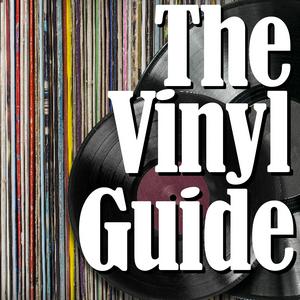
The Vinyl Guide - Artist Interviews for Record Collectors and Music Nerds
The Vinyl Guide
Senaste avsnittet
583 avsnitt
Ep567: Beastie Boys' Licensed to Ill at 40 with Ben Merlis
2026-10-12 | 1 h 36 min.Author Ben Merlis traces the Beastie Boys' wild leap from young hardcore punks to rap's first number-one album, revealing the rare records, recordings and scrapped ideas behind Licensed to Ill.
Pick up "Licensed To Ill at 40" book here
Topics Include:
How a short 2017 article landed Ben Merlis this book deal
Why the Beasties' punk-to-rap story fits Ben's two obsessions perfectly
The process of writing the book
Pollywog Stew: an unknown pressing run
How a Black Flag show sparked the Beastie Boys' hardcore beginnings
The Upper Broadway loft where they formed, demoed and played first
Lucky, well-connected teens, and why young genres are meritocracies
Scrapping an EP, crank-calling Carvel, and stumbling into Cookie Puss
Downtown dance-punk, and sets that switched from hardcore to rapping
Def Jam's surprising origins as Rick Rubin's punk label
Meeting Rubin over a bubble machine; Kate Schellenbach gets pushed out
Rubin, Dr. Dre, Hurricane: were the Beastie Boys' DJs really members?
Rock Hard & Beastie Groove
Def Jam's collectible burgundy-sleeve era, and how to spot them
British Airways steals Beastie Revolution and pays out $40,000
The settlement money buys an 808 instead of a Rickenbacker
No band cooperation, then a surprise interview with Mike D
The grief behind the jokes: losing parents young
Counting the White Castle references on License to Ill
Opening for Madonna at $500 a night with fifteen minutes' material
Recording Licensed to Ill, and pinning down its real release date
Fight for Your Right: written last-minute on Palladium cocktail napkins
MTV, race and radio: how they scored rap's first number one
The album's shockingly offensive working title, and why CBS killed it
The crashing-plane cover, Led Zeppelin worship and uncleared samples
A runaway tour, alienated fans and a messy split from Def Jam
Rubin blocks their movie, royalties stop, and lawsuits follow
Legacy: everything dope and whack about the 80s in one album
Rare pressings: tour show vinyl, blank Spanish LP, "Licensed to Kill"
French seven-inch box sets, Peruvian covers and a Japanese laserdisc
High resolution version of this podcast is available at: www.Patreon.com/VinylGuide
Apple: https://tinyurl.com/tvg-ios
Spotify: https://tinyurl.com/tvg-spot
Amazon Music: https://tinyurl.com/tvg-amazon
Support the show at Patreon.com/VinylGuideEp566: Chad Channing - Love Buzz, Bleach & Early Nirvana
2026-09-28 | 1 h 9 min.Original Nirvana drummer Chad Channing shares stories from the Bleach era, Love Buzz single & other collectables, getting knocked out by Chris's bass and digging through his rare vinyl.
Topics Include:
Chad's prized find: an original Australian Dirty Deeds from a rummage sale
Hunting a Bill Evans record, and why jazz demands clean vinyl
Dad played LA jazz bass; Mom once sang with Chet Baker
How jazz quietly shaped his "drummer for the song" philosophy
Describing his drumming style in one word: adaptive
Nirvana's only instruction when he joined: powerful but simple
Coming from a math rock band with 13-part songs
The one time Kurt openly praised his drumming: In Bloom
How "About a Girl" got its name from Chad
Kurt finishing Bleach lyrics in a notebook while driving to the studio
Shelved songs, lost tapes, and Chad's forgotten cassette in the box set
Owning Love Buzz single #3; Kurt had #1, Chris #2
His blank-label Bleach test pressing, housed in a homemade cover
Nate authenticates Chad's Australian Waterfront blue vinyl live on air
The ultra-rare purple Waterfront pressing and why most were destroyed
Swirled Sub Pop variants, and why he's never played some
Knocked out by Chris's bass at the Bleach cover photo show
Tracy Marander's undeveloped rolls of never-seen Nirvana photos
Sub Pop steering early decisions while the band went along
Packed European shows: the moment they realized something big was happening
The Blew EP and its gynecologist-chair cover he never chose
Hiding under the drum riser with Kurt as bottles flew
Stuck alone in a broken Manchester elevator for half an hour
His European tour posters, including the coveted Lush show poster
Could his beat-up distortion pedal be Kurt's missing Astoria pedal?
A gifted Mustang, his kit at MoPOP, and heirlooms for his kids
Smart Studios sessions, and Dave Grohl keeping his drum parts
Here She Comes Now, Sappy, and becoming a Nirvana fan afterward
MS, a childhood leg injury, and a memoir about 73 moves
The wonderful photo by Rosetta Greek
High resolution version of this podcast is available at: www.Patreon.com/VinylGuide
Apple: https://tinyurl.com/tvg-ios
Spotify: https://tinyurl.com/tvg-spot
Amazon Music: https://tinyurl.com/tvg-amazon
Support the show at Patreon.com/VinylGuideEp565: Coop - Poster Boy, Record Collector
2026-09-21 | 55 min.From teenage Flaming Lips flyers to Nirvana and Soundgarden posters and record covers galore, Coop shares art-creation stories and the chaos of his record collection.
Grab one of Coop's "Poster Boy" books here!
Topics Include:
Introduces Poster Boy, his massive new career-spanning art book
Kickstarter (via Zoop) already blew past $40k raised
Coop admits he's "too much" of a record collector
Closing in on 10,000 records, out of shelf space
3,000-4,000 are 45s he actively spins as a DJ
Recalls chasing UK punk records early in his Discogs days
Loves Jamaican 45s for their rough, charming pressings
Tells story of scoring a stash of 60s garage 45s
Traces another haul to a Miami DJ's Jamaica trips
Confesses completist streak for The Fall, Guided by Voices
Owns up to buying every Bandcamp vinyl color variant
Prefers Bandcamp since money goes straight to the band
Talks Austin's record fair and reconnecting with old LA dealers
Describes current obsession hunting weird beatnik novelty 45s
Buys mostly on vibes and wild, bizarre label artwork
Explains how he broke into art through poster connections
Credits Greg Shaw and Long Gone John's Sympathy label
Became a top poster artist alongside Frank Kozik
Poster work opened the door to major record covers
Tells the wild origin story of the Lords of Acid cover
Discusses keeping Discogs updated for his family's future
Shares recent grails: a Beefheart 45, rare beatnik pressing
Explains his (mostly) organized system for shelving and DJ crates
Talks trading doubles, then wraps with a final Poster Boy plug
High resolution version of this podcast is available at: www.Patreon.com/VinylGuide
Apple: https://tinyurl.com/tvg-ios
Spotify: https://tinyurl.com/tvg-spot
Amazon Music: https://tinyurl.com/tvg-amazon
Support the show at Patreon.com/VinylGuideEp564: Laura Jane Grace - Record Collector
2026-09-14 | 53 min.Laura Jane Grace opens up about tours and donating gear to the Punk Rock Museum, her massive vinyl obsession, the wild story behind her first Against Me! record and more.
Topics Include:
Nate and Laura Jane Grace preview her Punk Rock Museum dates
She's donating her amp, guitar, and clothes, mostly for storage space
Museum's jam room lets visitors actually play donated instruments
Her photo greets everyone entering the Punk Rock Museum
Favorite museum artifact: Joe Strummer's last bag of weed
LJG is an avid vinyl collector who abandoned CDs entirely
Her collection fills Ikea shelves plus boxes of seven-inches
She now collects complete artist discographies, especially posthumously
Bowie's late career shows the appeal of complete discographies
She's donating a rare, flawed first-pressing Against Me record
Physical vinyl feels more meaningful to her than streaming stats
Reinventing Axl Rose has hundreds of variants; she's wary of the trend
Axl Rose has never publicly acknowledged their tribute record
She loves browsing new-arrival shelves during unhurried store visits
Their first pressed record had accidental distortion, but still sold
Touring made scheduling test pressings a constant headache
Warner Brothers surprisingly gave White Crosses back to the band
Her label, Total Treble, drew lessons from mentor Fat Mike
She worries algorithm-driven social media and AI hurt musicians
Her teenage son's DIY punk scene offers genuine hope
She discusses redemption debates and a German venue's IDF controversy
She closes by naming favorite record stores worldwide
High resolution version of this podcast is available at: www.Patreon.com/VinylGuide
Apple: https://tinyurl.com/tvg-ios
Spotify: https://tinyurl.com/tvg-spot
Amazon Music: https://tinyurl.com/tvg-amazon
Support the show at Patreon.com/VinylGuideEp563: WTF Happened To Punk In The Park?
2026-09-07 | 56 min.Punk in the Park founder Cameron Collins breaks his silence on a $250 political donation that split the punk scene - and reveals plans to bring the festival back.
Topics Include:
Punk in the Park traces roots back to pandemic
Prior fests: Punk in Drublic, Sobroso, Scallywag festivals
Live Nation courtship briefly paused earlier festival branding
Punk in the Park debuted, drawing thousands nightly
Cameron explains his hands-on promoter and producer role
His punk awakening: hearing the Ramones as a kid
Punk rock's meaning: distrust, self-reliance, misfit belonging
Cameron opens up about his $250 Trump donation
Donation explained as protest against Biden running again
He admits regret, calling it a costly mistake
Initial backlash was mild, mostly online chatter
Dropkick Murphys' onstage denouncement escalated the controversy
Cameron feels singled out versus other political donors
He highlights years of charity and community giving
Bands say they're paid and treated better here
Festivals act as touring anchors for national routes
Headliners reportedly earn more at fests than clubs
Cameron's booking philosophy: all viewpoints get a stage
Hard line drawn: Nazis and hate groups banned
He booked a singer after his own separate cancellation
He acknowledges marginalized fans' real safety concerns
New Silverado festival branches into psychobilly and Americana
Silverado revives a legendary Southern California festival site
Cameron pushes for dialogue over reflexive cancel culture
He shares a cross-political friendship with a fellow musician
Conversation turns to America's deepening political polarization
Cameron argues both parties ultimately serve the same interests
He champions smaller government and personal freedom
Cameron confirms plans to relaunch the festival by 2027
High resolution version of this podcast is available at: www.Patreon.com/VinylGuide
Apple: https://tinyurl.com/tvg-ios
Spotify: https://tinyurl.com/tvg-spot
Amazon Music: https://tinyurl.com/tvg-amazon
Support the show at Patreon.com/VinylGuide
Fler podcasts i Musik

Trendiga poddar i Musik





Om The Vinyl Guide - Artist Interviews for Record Collectors and Music Nerds
Nate is a record collector, music lover and vinyl maniac. Join him on his journey to discuss, share and review all things related to vinyl records. We feature stories about and interviews with musicians, artists and people of knowledge in the area of vinyl records. Additionally we share information on desirable pressings of records, how to tell a $5 pressing from a $500 pressing and care and maintenance for your cratedigging hobby. Subscribe and share with your record-nerd friends. Cheers!
Podcast-webbplatsLyssna på The Vinyl Guide - Artist Interviews for Record Collectors and Music Nerds, Den flygande jukeboxen och många andra poddar från världens alla hörn med radio.se-appen
Hämta den kostnadsfria radio.se-appen
- Bokmärk stationer och podcasts
- Strömma via Wi-Fi eller Bluetooth
- Stödjer Carplay & Android Auto
- Många andra appfunktioner
Hämta den kostnadsfria radio.se-appen
- Bokmärk stationer och podcasts
- Strömma via Wi-Fi eller Bluetooth
- Stödjer Carplay & Android Auto
- Många andra appfunktioner

The Vinyl Guide - Artist Interviews for Record Collectors and Music Nerds
Skanna koden,
ladda ner appen,
börja lyssna.
ladda ner appen,
börja lyssna.
The Vinyl Guide - Artist Interviews for Record Collectors and Music Nerds: Poddsändningar i Familj
 Sverige